Fifty-Seven Women, One Tradition
A training project that began in Fener-Balat in 2005 brought Eyüp toy-making back to life in the hands of fifty-seven women — and it is also where today's workshop has its roots.
A project, a purpose
In February 2005, a project began under the EU- and Turkish Employment Agency-backed “New Opportunities Programme”: teaching Eyüp toy-making to housewives living in the Fener-Balat neighbourhoods so they could earn a livelihood from it and build it into a sustainable trade. The project ran for 12 months, combining the Tarih Vakfı’s (History Foundation) earlier research into the history of play and toys in Eyüp with a shared aim: reviving a lost piece of cultural heritage. The project’s goal was not one-dimensional: alongside bringing a nearly forgotten craft back to life, having the toys made by women meant that “a few more steps were taken toward preventing the informal economy” (Yalçınkaya, p.291).
From training to production
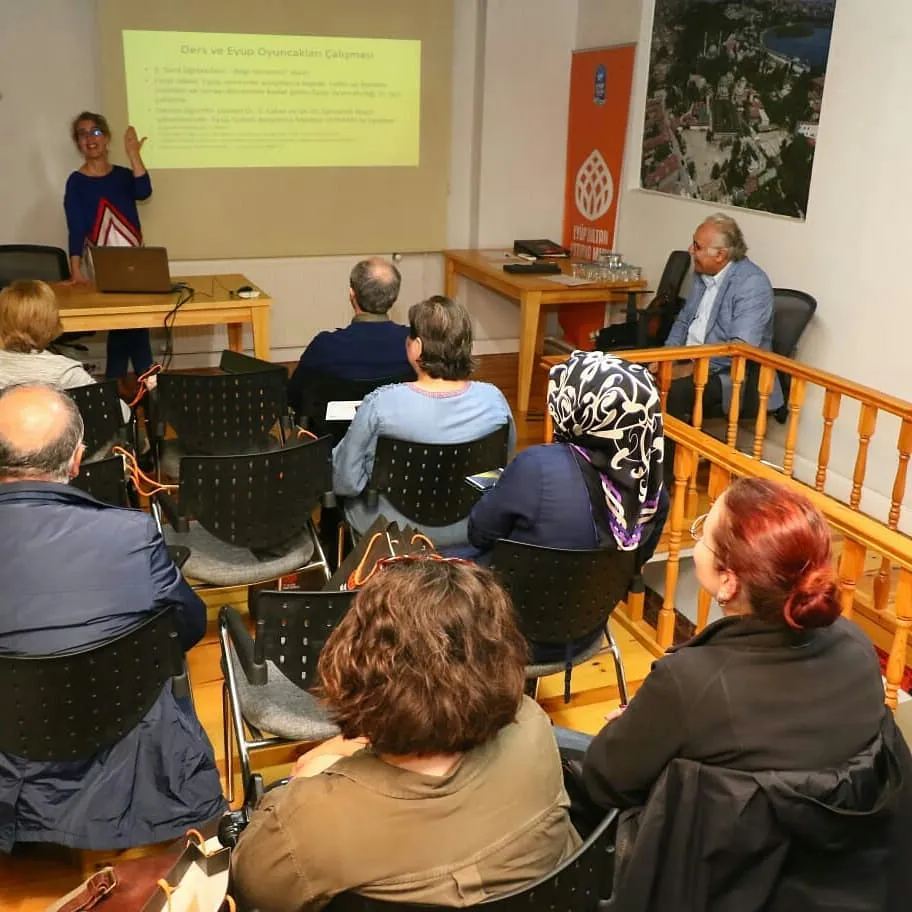
First, 6 participants were trained as trainers, over one month. Then, starting in August, a second round of training taught 57 unemployed women the production and marketing of Eyüp toys; that process took 3 months. This two-stage model let the project train, within a single process, both the trainers who would pass the knowledge on and the women who would carry production forward. Ece Ebru Bayar’s 2021 master’s thesis also takes up this project’s role in women’s employment specifically; how toy-making was passed on to women as a trade continues to draw academic study today.
From exhibition to shop
At the end of the training, an exhibition opened at the Darphane (the Imperial Mint); alongside the finished toys, one room recreated the workshop setting itself, with a sales section set up too; visitors could see not just the finished toys but the making of them (Yalçınkaya, p.291). A second exhibition followed at the EU Information Centre in Taksim, from 18 to 23 April. Under the Ana Destek Programı, run jointly with the Mother Child Education Foundation (AÇEV), mothers of children aged 3 to 9 among the participants also received training on family-child relations, nutrition, school readiness and preventive health. Eyüp Belediyesi, the project’s biggest supporter, allocated part of the Eyüp Sultan Mehterhane as a workshop and working space, and set aside two shops (in the Toymakers’ Bazaar and on Piyer Loti) to sell what was made.
The neighbourhood’s own contribution
Neighbourhood-level partnerships mattered here as much as the large institutions did. The Fener-Balat Kültür ve Güzelleştirme Derneği (Fener-Balat Culture and Beautification Association) and the Fener-Balat Semtleri Rehabilitasyon Programı (Fener-Balat Neighbourhoods Rehabilitation Programme) were among the partners running the project alongside Eyüp Belediyesi; by the end of that partnership, “57 trainees completed their training” (Yalçınkaya, p.291). Fener-Balat’s own neighbourhood dynamics gave the project a footing beyond vocational training alone, tying it to the district’s wider beautification effort; a craft training programme this way turned, at the same time, into part of a neighbourhood rehabilitation effort.
A book, too
Training wasn’t the whole of it. At the project’s end, introducing Eyüp toys’ “production methods, drawings and materials to be used, so that anyone who wished could make the toys, a book was also prepared” (Yalçınkaya, p.291). Written by Tosun Yalçınkaya, that book was published as the Eyüp Oyuncakçılığı Eğitim Kitabı (Eyüp Toy-Making Training Book) by the Türk Tarih Vakfı Yayınları in October 2005 — a document meant to leave the tradition not only in the hands of 57 women, but as a record anyone could draw on. A training project’s legacy usually rests with its participants alone; here, a written guide was also left behind, one that could still be consulted after the project itself had ended.
Sixteen toys, one beginning
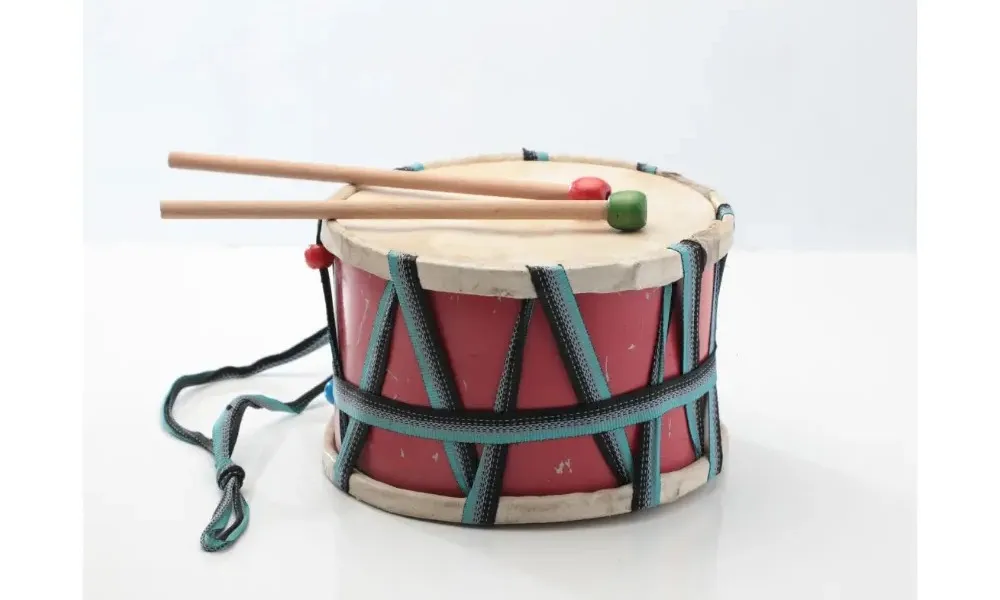
In its first phase, the project produced 16 types of toy: the acrobat, the devil’s minaret, the cradle, the Ferris wheel, the wheeled cabinet, the mirrored cart, the chair, the open-topped cart, the jingling cart, the imperial caïque, the wheelbarrow, the handled drum, the rattle, the single jingling cart, the bird cart, and the water-whistling clay jug (Yalçınkaya, p.294). This sixteen-item list is, in a way, the first draft of the variety still made in the workshop today.
A thread that reaches today
One of the women trained in this project was our founder, Şennur Ülker, who went on to found Geleneksel Eyüp Oyuncakçısı to carry the tradition forward. A journey that began in a training room in Fener-Balat reaches, this way, all the way to the workshop and museum you can visit today. Only one of the fifty-seven women’s paths led to a workshop and museum known this way today; we don’t know what became of the others afterward, but all fifty-seven went through the same three-month training. You can read the rest of this story on our Story page.
Sources
- Yalçınkaya, Tosun (2006). “Eyüp Oyuncakçılığı ve Oyuncak Atölyesi,” Tarihi, Kültürü ve Sanatıyla X. Eyüpsultan Sempozyumu Tebliğleri, Eyüp Belediyesi, s. 290-295.
- Yalçınkaya, Tosun. Eyüp Oyuncakçılığı Eğitim Kitabı, Türk Tarih Vakfı Yayınları, İstanbul, Ekim 2005.
- Bayar, Ece Ebru (2021). “Eyüp oyuncakçılığı geleneği ve geleneksel Eyüp oyuncakçısı.” Yüksek Lisans Tezi, Ankara Hacı Bayram Veli Üniversitesi, Türk Halk Bilimi Anabilim Dalı, 150 s.