The Eyüp Toymakers' Bazaar
Mentioned in Evliya Çelebi's Seyahatnâme of 1635, the Eyüp Toymakers' Bazaar lives on by name to this day.
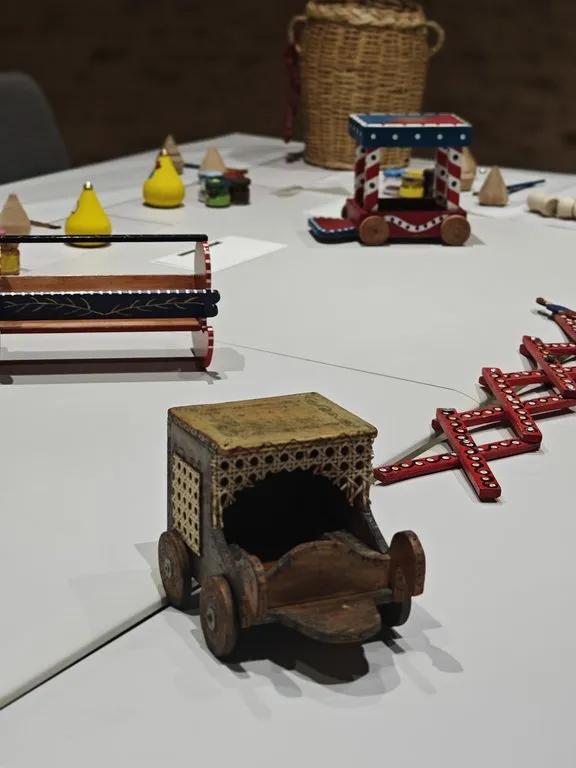
The Eyüp Toymakers’ Bazaar is the name of the market — still standing in the Eyüp Sultan district today — that was the centre of Eyüp toy-making, a tradition begun in Ottoman times.
The oldest known source describing this tradition is Evliya Çelebi’s Seyahatnâme, so its recorded history begins with the years he describes: in 1635, the Seyahatnâme counts 100 toy shops in the bazaar employing 105 craftsmen. That makes 1635 the first documented date of Eyüp toy-making; the tradition itself is thought to reach much further back, into the 15th century.
The Toymakers’ Cul-de-sac
In Eyüp, which became the centre of toy production from the 16th century onward, toys were made and sold for centuries in the bazaar on İskele Street — also known as the Toymakers’ Cul-de-sac — and the craft passed from generation to generation until the 1950s.
Reşat Ekrem Koçu, author of the Istanbul Encyclopedia and a witness of the tradition’s later years, writes in its tenth volume:
“Until the arrival of Europe’s alluring, varied factory-made toys at the end of the last century, for hundreds of years the children’s toys of Istanbul were made in Eyüp, by craftsmen working by hand as if in a single workshop — and they spread across all of Turkey under the name Eyüp toy.”
For centuries, Eyüp toys were sold in the toy shops of Eyüp, in herbal shops across every district of Istanbul, and by street peddlers roaming the city.
Today
Eyüp Sultan Municipality, through its ESTAM project, is working to restore the historic peninsula to its original character — including plans to restore the Eyüp Toymakers’ Bazaar to its authentic form.