Eyüp Toys and Eyüp Toy-Making
A craft born of the workshop offcuts of the Golden Horn: the materials, decoration and varieties of Eyüp toys.
Evliya Çelebi writes in his Seyahatnâme that in 1635, in Eyüp’s historic bazaar, 105 toy masters made and sold toys across 100 shops. As the Seyahatnâme also records, the toys — made from materials left over from the workshops around the Golden Horn, then the heart of trade — were bought by visitors to the district and by children brought to Eyüp for the circumcision ceremonies held around the Eyüp Sultan Mosque.
Materials: offcuts of the Golden Horn
The basic materials of traditional Eyüp toys were the wood scraps of Tahtakale, the waste tin of the stove-makers, hides discarded by the Sütlüce slaughterhouse, and the clay deposited by the Kağıthane and Alibeyköy streams.
For decoration, earth pigments and gold leaf were used, in the striking colours that appeal to children — red, blue, green and white. Surfaces were enlivened with stylised, uncomplicated wavy bands, dotted patterns and simple radiating lines.
The varieties
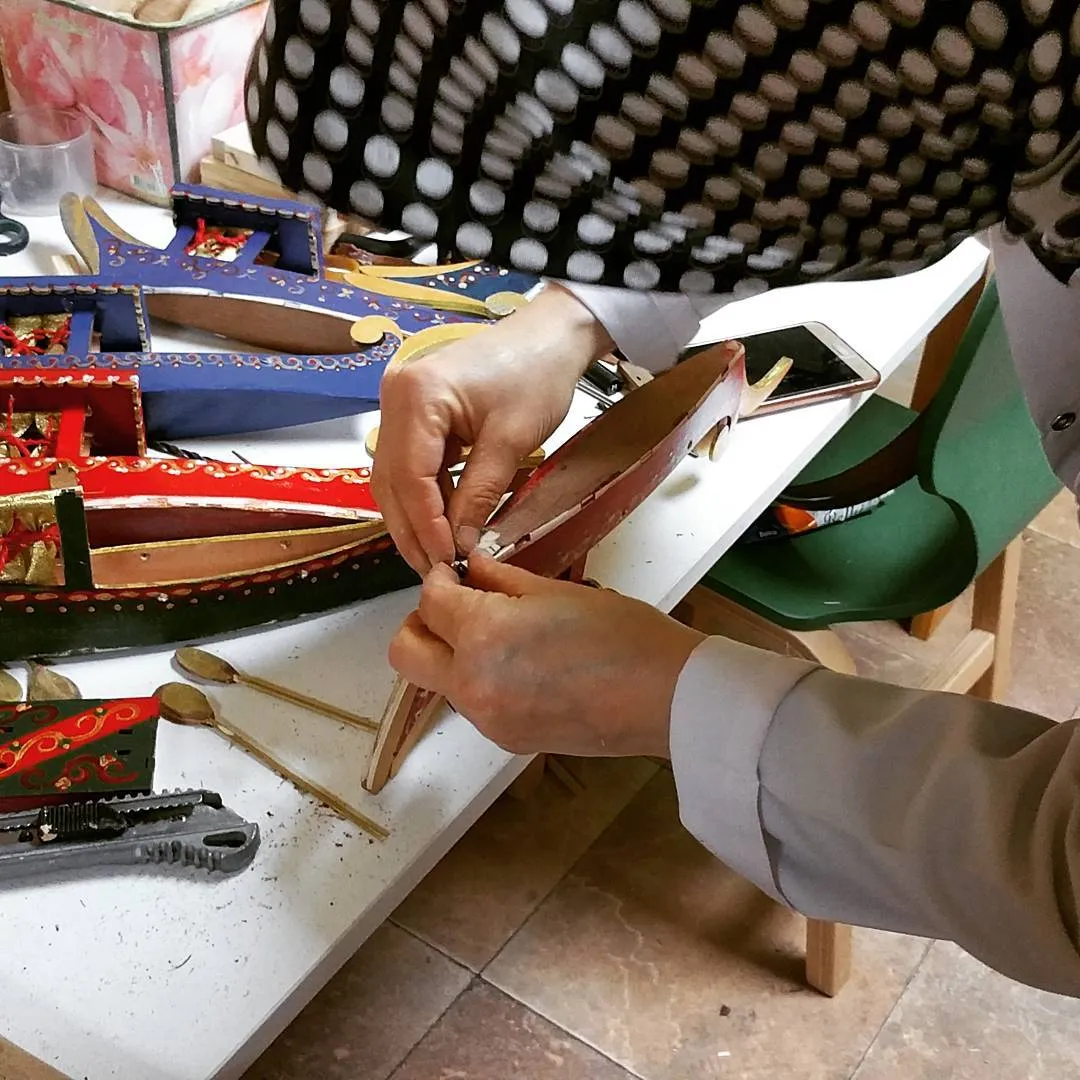
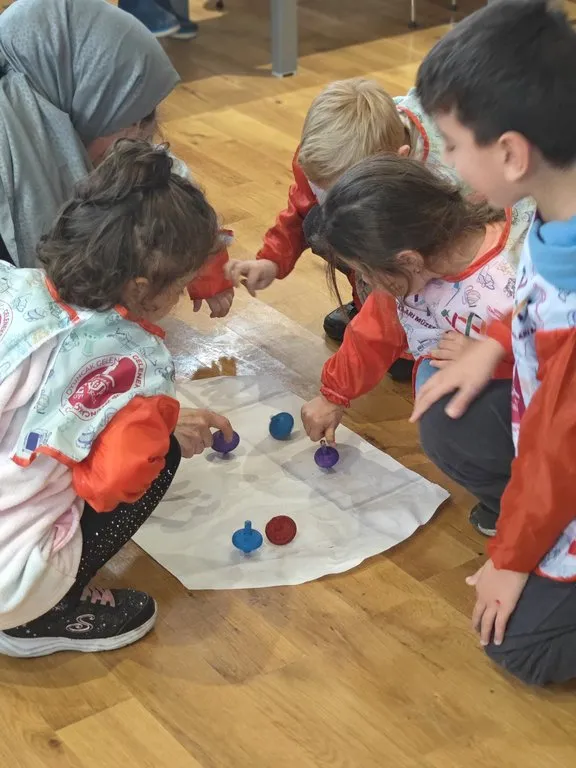
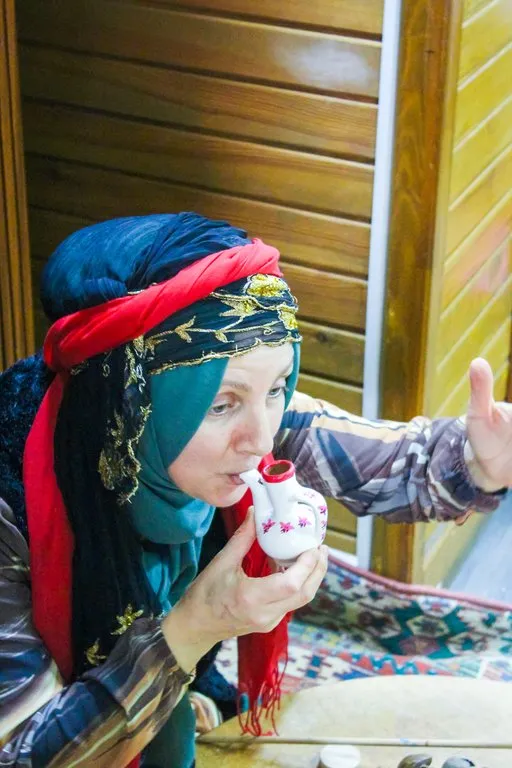
The toymakers of Eyüp produced wooden spinning tops, rattles (“mother-in-law’s grumble”), gullet whistles, darbukas and drums, whirligigs, roly-polies, wooden carts, imperial caïques and rowboats, cradles, wooden swords and tambourines.
Today the Traditional Eyüp Toymaker produces a good number of these toys, and continues working to revive the other Eyüp toys now at risk of being forgotten.